

Quick take:
• Data center plans: I-79 High Technology Park CEO Jim Estep says the park will likely need commercial data center activity within the next two years to support future growth and NOAA’s climate data operations.
• Resource concerns: Estep says future facilities would be required to use recycled water, dedicated microgrids and measures to limit light and noise pollution.
• Economic potential: Estep says locating data centers near NOAA’s operations could attract additional technology companies to North Central West Virginia, although no specific project has been finalized.

FAIRMONT, W.Va. — West Virginia High Technology Foundation President and CEO Jim Estep said the I-79 High Technology Park in Fairmont will need “commercial data center activity” within the next few years to support its growth, noting that he believes it can be done with contained resources and minimal noise pollution.
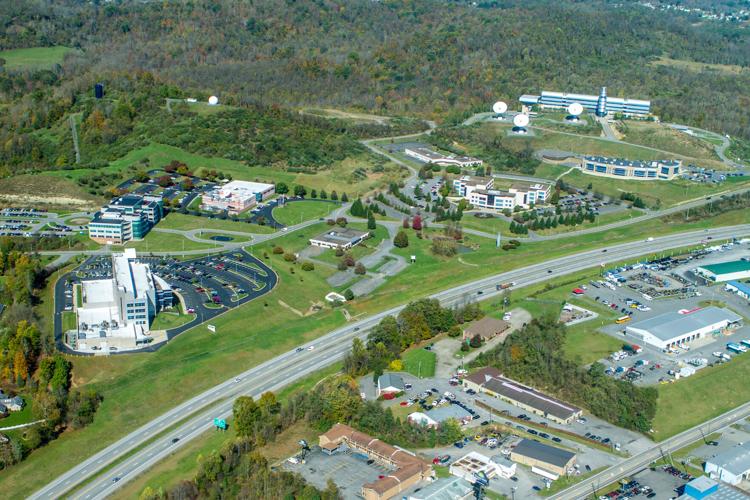
Estep said a commercial data center is needed in the park primarily to support the National Oceanic and Atmospheric Administration’s ongoing climate data collection. NOAA has made hundreds of millions of dollars in investments in the I-79 High Technology Park, and Estep said a data center would help the federal agency both store and convert its climate data into “AI-ready formats.”
Submitted photo
“The climate and weather data that NOAA collects is used by a broad diversity of industries, everything from agriculture, finance and insurance to shipping,” Estep said. “They all use this data in some form or fashion. With the undisputed changes in our climate and weather patterns, the need for them to do more analysis of this data is increasing daily. The data that is being developed and will be made available through data center operations at the park will be used across the planet by both commercial and public sectors.”
Additionally, Estep said a commercial center for NOAA’s data would draw more business to the area, which would in turn have a positive impact on the region’s economy.
“These AI-based systems that work with the kind of data we’re talking about are very sensitive to latency,” he said. “In other words, when those systems are working with NOAA data, they work so quickly that if they’re too far away from where the data source is, it can cause system problems. That factor is causing organizations to build operations within a reasonable distance of existing data centers so there aren’t any latency problems created. By having these data centers here in the park to support NOAA data, it could become a gravity well pulling in companies to relocate to North Central West Virginia just to be close to the data.”
While Estep is optimistic about the economic impact a commercial data center in the I-79 High Technology Park could have, the general population’s opinion on data centers is largely negative, and that’s an obstacle Estep knows sits in front of his plans.
According to a poll conducted by Gallup in May, 71% of Americans oppose the construction of local AI data centers, citing concerns over water and energy use, light and noise pollution, quality-of-life concerns and more.
However, Estep said he believes there is a “significant misunderstanding” regarding data centers and their impacts on resources and pollution.
Data centers do need to use significant amounts of water to ensure servers don’t overheat, and Estep acknowledged that he doesn’t believe a single municipal water system in the state could support the operations of a data center.
Submitted photo
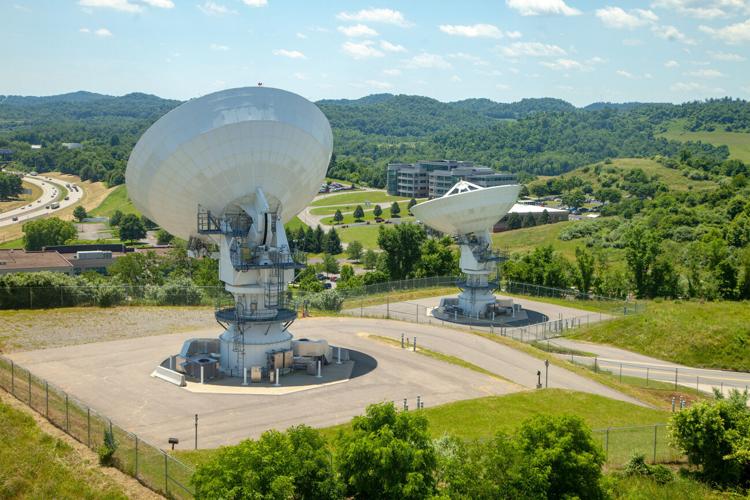
He doesn’t see this as an issue, though, and instead pointed to the method through which the I-79 High Technology Park has utilized water to cool the existing data centers it has had for the last 15 years.
“We built a large 25,000-gallon tank in the park, and we recycle all of our water,” he said. “Going forward, we will continue to recycle water, whether that’s for our supercomputers or future data centers, so that will not negatively impact people’s water bills.”
He believes other concerns regarding data center operations can be mitigated, too. Data centers, he said, should be run on their own dedicated microgrids to ensure residents’ energy bills don’t increase.
Estep further explained that light pollution can be prevented by using full-cutoff lighting that channels light directly down to where it’s needed.
Likewise, noise pollution can be alleviated through strategically placed trees or “aesthetically pleasing sound walls.” He added that new data center systems are already being designed to lessen the noise they make.
“Every issue that I’m aware of is either being eliminated or significantly mitigated,” Estep said. “When you consider that compared to the potential benefit, the benefit outweighs that tremendously because the potential tax revenues coming from these data centers are transforming cities and counties across the country.”
Estep “guaranteed” that if a commercial data center were to come to the I-79 High Technology Park, the microgrid, recycled water systems and noise and light pollution mitigation would all be required.
“I would not want to put anything in the park, and certainly anything in Marion County, that was going to be a bad thing,” Estep said. “If I didn’t feel totally comfortable with this, I wouldn’t be doing it.”
Estep said that while he is “pursuing options” and has been meeting with potential data center providers, nothing is concrete yet, but he believes the park will at least need a project in its “beginning stages” within the next two years.
Fairmont News Editor John Mark Shaver can be reached at 304-844-8485 or jshaver@theet.com.by John Mark Shaver FAIRMONT NEWS EDITOR Sep 18, 2026
Article as originally published by The State Journal on September 18, 2026.